Kitchen Red Bowl Illustrations Vector Graphics
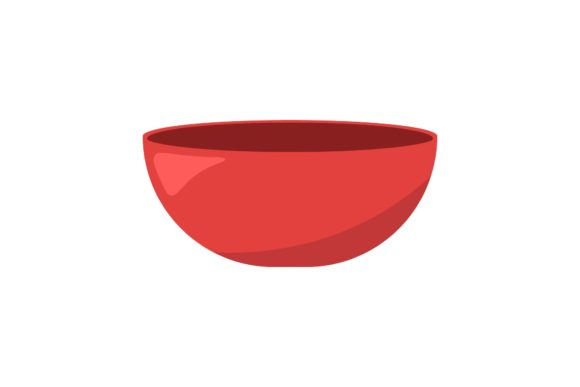
When I first opened the Kitchen Red Bowl Illustrations Vector set, I immediately saw the potential for a warm, rustic kitchen collection. As someone who has been selling digital products on Etsy, Creative Fabrica, and my own Shopify store for years, I have learned to spot an asset that can be turned into multiple sellable products. This set of six digital files, delivered on a 1920px by 1280px canvas, includes AI, EPS, SVG, and DXF formats. The red bowl itself has a clean, slightly hand-drawn feel that fits modern farmhouse, country kitchen, and even minimalist decor aesthetics. It is not overly detailed, which makes it versatile for both print and cut projects.
First Impressions and Niche Appeal
The Kitchen Red Bowl Illustrations Vector carries a mood that is both inviting and practical. The red color pops without being aggressive, and the bowl shape is simple enough to work as a standalone graphic or as part of a larger composition. From a seller’s perspective, this kind of asset appeals to buyers looking for kitchen-themed wall art, recipe cards, mug designs, and sublimation prints. It also fits the growing trend of farmhouse and country kitchen decor on marketplaces like Etsy and Amazon Handmade. The illustration feels approachable, not overly polished, which can actually be a strength for handmade and small business branding. It suggests warmth and home cooking, which is a strong emotional hook for many shoppers.
Real Shop Scenario: Testing for a New Collection
Imagine I am preparing a new kitchen-themed digital download bundle for my Etsy shop. I want to include printable wall art, a set of mug designs, and a few sublimation tumblers. I also plan to offer the design as a cut file for Cricut users. The Kitchen Red Bowl Illustrations Vector becomes the centerpiece of that collection. I start by importing the SVG file into my design software to check the cut quality. The lines are clean, and the bowl shape has no overly complex curves that would cause issues on a cutting machine. I then test the PNG version on a mockup tumbler to see how the red looks against white and dark backgrounds. On white, it stands out clearly. On dark, I need to add a white outline or use a lighter version of the red to maintain contrast. The large canvas size gives me room to scale down without losing quality, but I keep in mind that 1920x1280 pixels is roughly 6.4x4.3 inches at 300 DPI—adequate for most small to medium products, but not for large posters. For a 16x20 print, I would need to scale up carefully or use the vector AI file to resize without loss.
Where This Asset Shines
The Kitchen Red Bowl Illustrations Vector works best in products where the graphic is the hero. I can see it used effectively in SVG designs for Cricut and Silhouette projects, such as layered vinyl decals for mugs, water bottles, or wooden signs. The PNG format is ideal for sublimation designs on tumblers, coasters, and mouse pads. The AI and EPS files give me flexibility to edit colors, add text, or combine the bowl with other elements. For printable wall art, I can place the bowl on a textured background and add a quote about cooking or family. The illustration also lends itself well to Canva templates—I can import the PNG and create social media graphics, blog headers, or recipe cards. In a design bundle, this asset can serve as a consistent visual element across multiple products, which helps with brand identity and customer trust. When customers see the same bowl graphic on a mug, a print, and a sticker, they perceive a cohesive collection and are more likely to buy multiple items.
Where to Use Caution
While the Kitchen Red Bowl Illustrations Vector is versatile, there are specific situations where it may not perform well. For tiny sticker details, such as in a planner sticker sheet, the bowl’s shape might lose its impact if scaled too small. The red color can also bleed or shift during sublimation if the print settings are not calibrated, so test prints are essential. On crowded thumbnail images for Etsy listings, the bowl could get lost if placed against a busy background. I recommend using it on a solid or subtle texture to maintain visual hierarchy. For Cricut projects that require intricate cut lines, the SVG file is straightforward, but if you plan to cut the bowl as a standalone piece, make sure the line thickness is appropriate for the material. The DXF format is useful for those using Silhouette Studio, but I always double-check that the file imports cleanly without extra nodes. Another consideration is contrast: on dark backgrounds, the red bowl may need a white outline or a drop shadow to pop. For text-heavy templates, the bowl might compete with the text, so I would use it as a background element or a small accent rather than the main focal point.
Practical Seller Notes for Testing and Listing
Before I list any product using this graphic design asset, I run through a checklist. First, I test the design on real mockups—not just generic templates, but ones that match my actual product dimensions. I preview the thumbnail as it would appear in search results, making sure the bowl is recognizable even at small sizes. I check the PNG transparency to ensure there are no white halos or jagged edges. For the SVG file, I open it in multiple software programs to confirm compatibility. I also test print colors by ordering a sample from my print-on-demand partner. The red in the file may look different on screen versus on fabric or ceramic. I organize the files clearly for customers: rename them with descriptive names, include a preview image, and add a simple instruction sheet. When pairing the illustration with typography, I consider the mood. A serif font like Playfair Display gives a rustic feel, while a sans serif like Montserrat keeps it modern. A script font like Pacifico adds a handmade touch, and a display font like Bebas Neue works for bold titles. I also verify the commercial license. The product description does not explicitly state a commercial license, so I always contact the seller or read the shop’s policy before selling finished products. As a rule, I assume a standard commercial license that allows me to use the design on physical products for sale, but not as a standalone digital item. For Etsy sellers, print-on-demand users, and creative entrepreneurs, the Kitchen Red Bowl Illustrations Vector can be a reliable addition to your design assets, provided you test it thoroughly for your specific use case.
Final Thoughts on Kitchen Red Bowl Illustrations Vector
After working with the Kitchen Red Bowl Illustrations Vector across several product mockups, I can confidently say it is a useful graphic design asset for digital product creators. The six file formats cover most needs, from cutting machines to sublimation to editable vectors. The 1920x1280 canvas size is generous enough for standard digital products, and the vector files allow for unlimited scaling. While it is not a miracle asset that works for every product, it fits well within the kitchen, home, and farmhouse niches that are consistently popular on creative marketplaces. For any seller looking to build a cohesive collection of printable designs, SVG files, or Canva templates, this illustration offers a solid foundation. Just remember to test, adapt, and always respect the commercial licensing terms. That is the mindset that turns a good graphic into a profitable product line.